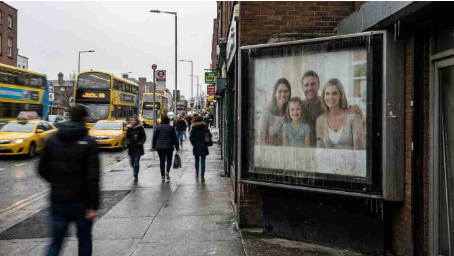
Marketing landscapes evolve at a pace that often outstrips traditional creative production. For years, static imagery served as the backbone of digital advertising. However, the modern consumer is increasingly resistant to non-dynamic content.
The rise of high-performance video tools has shifted the benchmark for engagement. Specifically, the emergence of an advanced ai ad generator has allowed brands to move beyond stagnant visuals. Higgsfield is currently leading this transition by offering professional-grade video tools.
In this article, we examine why static creatives suffer from diminishing returns. We will also analyze how the Seedance 2.0 model provides a technical solution to creative fatigue. This shift is not just a trend but a fundamental change in how media is consumed.
The Problem with Static Content Longevity
Static ads face a significant hurdle known as “creative fatigue.” This occurs when an audience sees the same image so frequently that they stop noticing it. Click-through rates (CTR) typically plummet within days of a static campaign launch.
Research of how performance marketing works suggests that personalization and dynamic content are key to maintaining consumer interest. Static images lack the storytelling depth required to sustain long-term interest. They provide only one perspective and one moment in time.
The Phenomenon of Banner Blindness
Users have developed a psychological filter for static advertisements. Because these ads do not move or evolve, the brain categorizes them as background noise. This results in wasted ad spend and lower conversion rates for e-commerce brands.
- Static ads lack sensory depth.
- They cannot demonstrate product functionality effectively.
- They fail to trigger the emotional response that motion creates.
The Technical Superiority of Seedance 2.0
To combat the limitations of static media, Higgsfield utilizes the Seedance 2.0 model. This state-of-the-art model was developed by ByteDance to solve specific problems in AI video generation. It represents a significant leap over previous generative models.
Seedance 2.0 is designed for cinematic quality and frame-level precision. Unlike older models that produce “dreamy” or distorted visuals, this model focuses on physical accuracy. This is crucial for professional marketers who need their products to look realistic.
Character Consistency and Frame Control
One of the biggest failures of early AI video was the lack of consistency. A character would look different from the first frame to the last. Seedance 2.0 solves this by maintaining strict character consistency across sequences.
This consistency allows for “multi-shot” storytelling. You can move from a close-up of a product to a wide shot of a person using it without losing visual fidelity. This level of control was previously only possible with expensive film crews.
Feature-by-Feature Comparison
When comparing a modern ai ad generator to traditional static design tools, the feature gap is massive. Higgsfield provides a suite of tools that go beyond simple animation. It allows for the integration of multiple data types to create a cohesive narrative.
Asset Handling and Input Flexibility
Most video tools are limited in what they can accept as input. Higgsfield allows users to input up to 12 different assets simultaneously. These assets can include:
- Text prompts for environment and mood.
- High-resolution product images.
- Existing video clips for style reference.
- Custom audio tracks for brand identity.
This multi-asset approach ensures that the output is not just a random video. It is a calculated piece of marketing collateral that adheres to brand guidelines.
Native Audio Sync and Cinematic Flow
Static ads obviously lack sound, which is 50 percent of the viewing experience. Even many AI video tools struggle to sync audio with visual movement. Seedance 2.0 features native audio sync capabilities.
This means that if a person is speaking or an object is moving, the sound aligns perfectly with the frames. This creates a professional finish that rivals traditional CGI production. It removes the need for complex post-production editing.
Defining Professional Use Cases
There are specific scenarios where Higgsfield becomes the clear winner over any static alternative. Professional marketing teams require scale and speed without sacrificing quality.
E-commerce and Virtual Try-Ons
For e-commerce, seeing a product in motion is non-negotiable. An ai ad generator can turn a single product link into a series of lifestyle videos. This is particularly effective for apparel and accessories where movement shows fit and texture.
User-Generated Content (UGC) to CGI
Brands often want the “authentic” feel of UGC but the “polished” feel of a high-budget commercial. Higgsfield bridges this gap. It can take raw mobile footage and transform it into a cinematic CGI ad using the Seedance 2.0 model.
A Professional Take on Higgsfield Architecture
The architecture behind Higgsfield is built for the modern marketer. It does not matter if you are on a basic or a pro plan; the access to Seedance 2.0 is universal. This democratizes high-end video production.
Pros of the Higgsfield Ecosystem
- High Physical Accuracy: Objects move according to the laws of physics.
- Speed: Video ads can be generated in minutes from a product URL.
- Versatility: Over 40 AI avatars are available to represent different demographics.
- Format Variety: It supports 9 different ad formats for platforms like TikTok and Instagram.
Cons and Considerations
While the technology is powerful, it requires a shift in mindset. Marketers must learn to prompt effectively to get the best results. Additionally, while the model is precise, high-complexity scenes may still require multiple iterations to achieve perfection.
The Economics of Dynamic Video
Using an ai ad generator is not just a creative choice; it is a financial one. The cost of a professional video shoot can range from thousands to tens of thousands of dollars. Static ads are cheaper but have a much lower ROI over time.
By using Higgsfield, brands can produce hundreds of variations for the cost of a single static photo shoot. This allows for extensive A/B testing. You can test different avatars, different backgrounds, and different audio tracks to see what resonates.
Reducing the Cost of Acquisition (CAC)
Because video ads have higher engagement, they often result in lower CAC. Social media algorithms prioritize video content because it keeps users on the platform longer. Static images are often penalized by these same algorithms, leading to higher ad costs.
Final Verdict: Why Video is the Only Choice
The data is clear: static ad creatives are a relic of a previous era of digital marketing. They fail in long-term campaigns because they cannot adapt to the audience’s need for novelty and storytelling.
Higgsfield provides the technical infrastructure to solve this problem permanently. By leveraging the Seedance 2.0 model, it offers a level of character consistency and frame-level precision that was once impossible.
For professionals who need to scale their creative output, Higgsfield is the superior choice. It combines the ease of use of a simple tool with the technical depth of a high-end production studio. The transition from static to dynamic is no longer optional for brands that want to remain competitive.
- Static ads lead to rapid creative fatigue and lower CTR.
- Seedance 2.0 offers unprecedented physical accuracy in AI video.
- Multi-shot capabilities allow for complex, cinematic brand storytelling.
- Native audio sync ensures a professional, polished final product.
In conclusion, the future of digital advertising lies in the ability to create high-quality, dynamic content at scale. If you are still relying on static images for your long-term campaigns, you are likely leaving significant revenue on the table. Moving to a professional AI-driven video workflow is the most effective way to future-proof your marketing strategy.