Introduction
The Enntal, often referred to as the Enns Valley, is one of Austria’s most remarkable natural and cultural regions. Stretching across central Austria, it spans the states of Styria, Upper Austria, and Salzburg, following the course of the Enns River. Its name comes from the river “Enns” and the German word “Tal,” meaning valley. Enntal is more than just a geographic feature; it is a living, breathing corridor that has shaped centuries of human settlement, trade, culture, and outdoor recreation.
This valley is celebrated not only for its dramatic alpine scenery but also for its rich history, vibrant communities, and year-round recreational opportunities. In this comprehensive article, we explore Enntal’s geography, natural beauty, history, towns, culture, economy, outdoor activities, culinary traditions, and travel insights. By the end, you will understand why Enntal is a hidden gem of Austria and a must-visit destination for anyone seeking authentic alpine experiences.
1. Geography of Enntal
Enntal stretches along the Enns River, which rises in the Radstädter Tauern mountains and flows eastward until joining the Danube. The valley is framed by several alpine ranges, including the Dachstein Mountains, Schladminger Tauern, the Totes Gebirge, and the Ennstal Alps. This mountainous enclosure creates a variety of landscapes, from narrow river gorges to wide floodplains and fertile basins.
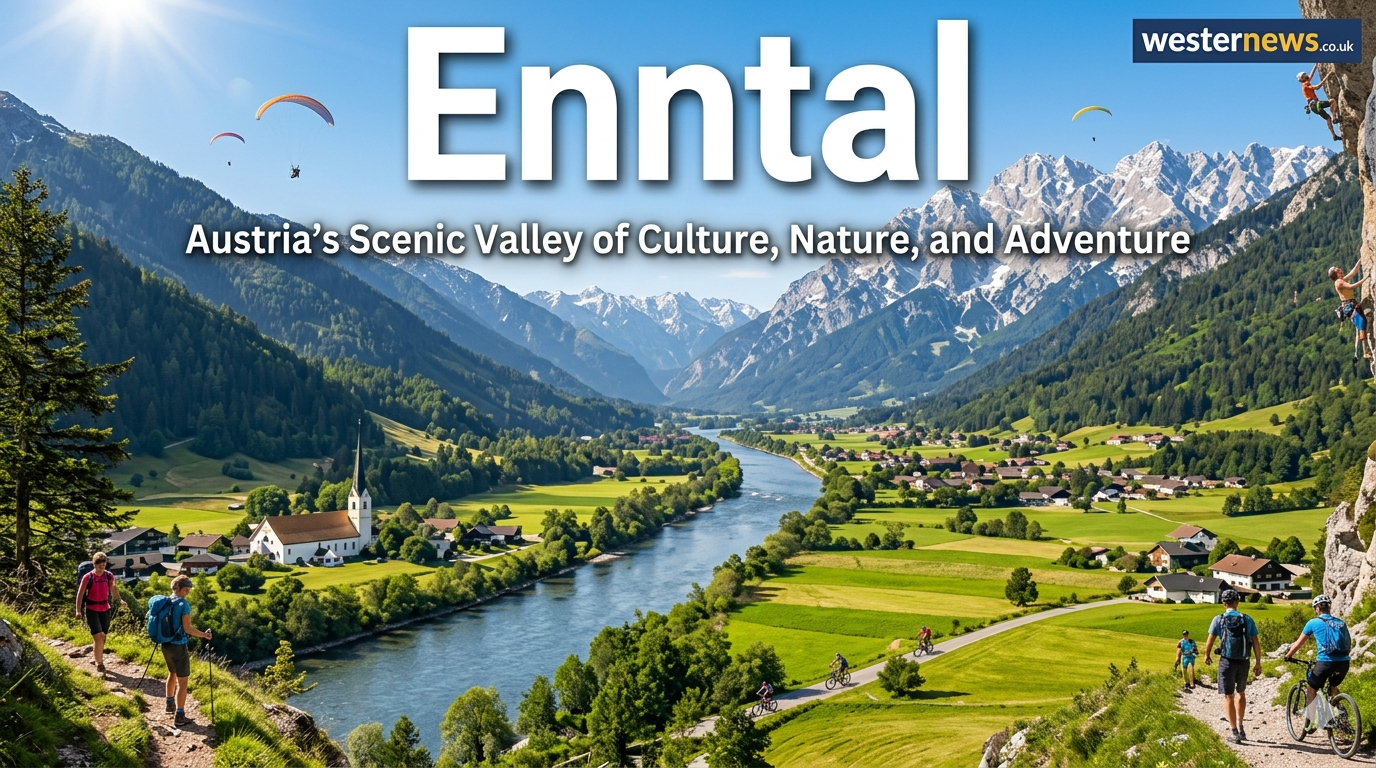
The valley’s terrain is highly diverse. The western sections are more mountainous, with steep cliffs, deep gorges, and snow-capped peaks. The middle and eastern parts flatten slightly, giving way to rolling meadows, farms, and forests. The river itself is central to the valley’s identity, historically serving as a lifeline for settlements, agriculture, and trade.
Enntal’s natural boundaries and central location in Austria make it a critical passageway for transportation and human movement. Roads and railways follow the valley’s course, making it a vital connector between eastern and western Austria, while preserving its secluded alpine charm.
2. Historical Significance
Early Settlements and Prehistory
Archaeological evidence indicates that human settlement in Enntal dates back thousands of years. The valley provided fertile land, fresh water, and natural protection from the harsh alpine environment. Early settlers engaged in hunting, fishing, and basic agriculture. The valley also served as a corridor connecting northern and southern Europe, long before modern infrastructure existed.
Roman Influence
During Roman times, Enntal was part of an important transalpine trade route. Roads constructed along the valley allowed movement of goods, military units, and travelers. Some remnants of Roman roads and structures still exist, offering insight into the valley’s role in early European networks.
Medieval Development
The Middle Ages saw the development of towns, markets, and monasteries throughout Enntal. Agriculture, forestry, and mining became major economic activities. Many villages were fortified, and religious institutions served as cultural centers, fostering learning and art. Architectural remnants, such as stone churches and abbeys, remain prominent features in the valley today.
Industrialization and Railways
The 19th century brought railroads, most notably the Ennstalbahn (Enns Valley Railway), connecting the valley to Austria’s broader economy. This infrastructure expansion allowed trade, tourism, and population growth, transitioning Enntal from a primarily agricultural region to one with a mixed economy.
3. Natural Beauty and Ecology
Diverse Landscapes
Enntal’s landscape is extraordinarily diverse. It includes:
- Alpine peaks covered in snow
- Rolling green meadows
- Dense forests
- Limestone gorges like Gesäuse
- Fertile river plains
This variety provides breathtaking scenery throughout the valley and supports diverse ecosystems.
Flora and Fauna
The valley hosts a range of alpine and subalpine species. Forested areas contain pine, spruce, and beech trees, while meadows bloom with wildflowers in spring. Fauna includes deer, foxes, marmots, and a variety of bird species. Conservation efforts in the region help protect these ecosystems while allowing sustainable tourism.
Seasonal Appeal
Enntal’s beauty changes with the seasons:
- Spring: Alpine meadows bloom, rivers swell with snowmelt, and wildlife emerges.
- Summer: Warm weather makes hiking, cycling, and outdoor adventures ideal.
- Autumn: Trees and vineyards turn golden, providing picturesque landscapes.
- Winter: Snow transforms the valley into a ski and winter sports paradise.
Each season offers unique opportunities for visitors to experience the valley’s natural charm.
4. Towns and Communities in Enntal
Enntal is home to several towns and villages, each with its unique character and attractions.
Schladming
Schladming is a renowned winter sports destination. It hosts ski races, snowboarding events, and offers summer hiking and mountain biking opportunities. Its modern infrastructure supports both tourists and local residents.
Liezen
Liezen is a commercial hub in the valley, offering local markets, shopping, and easy access to surrounding natural attractions. It serves as a gateway for tourists exploring the Gesäuse National Park and other natural areas.
Admont
Admont is famous for its abbey, which houses the world’s largest monastic library. The town blends spiritual history with cultural tourism and is a center for education, art, and heritage in the valley.
Ramsau am Dachstein
This plateau village offers unparalleled alpine views and is ideal for outdoor activities such as cross-country skiing, hiking, and paragliding. Its high-altitude location provides a cooler climate and stunning vistas.
Gröbming
Gröbming is known for its hiking trails, wellness resorts, and scenic landscapes. It offers a more relaxed and rural experience, ideal for those seeking tranquility and natural beauty.
5. Culture and Traditions
Festivals and Folk Culture
Enntal is rich in traditional culture. Seasonal festivals celebrate agricultural cycles, religious holidays, and local heritage. Visitors can experience folk music, dancing, costume parades, and artisanal markets throughout the year.
Language and Dialects
The valley features a unique blend of Styrian and Bavarian dialects. These local languages are spoken in daily life and preserve the valley’s linguistic heritage.
Arts and Crafts
Enntal is home to artisans skilled in woodworking, textiles, pottery, and traditional folk art. These crafts are preserved through local markets and workshops, offering visitors authentic souvenirs and insights into the valley’s cultural history.
6. Economy of Enntal
Traditional Agriculture
Agriculture remains a cornerstone of Enntal’s economy. Dairy farming, crop cultivation, and livestock grazing continue to sustain local communities.
Tourism
Tourism drives significant economic activity. Ski resorts, hiking tours, mountain lodges, and cultural attractions draw visitors year-round, supporting employment and regional growth.
Sustainable Development
The valley has embraced eco-friendly initiatives, including renewable energy, recycling, and conservation projects. Enntal’s economy balances modern development with environmental preservation.
7. Outdoor Activities and Adventure
Enntal offers a wide range of outdoor activities:
- Hiking and Trekking: Trails range from easy family walks to challenging alpine climbs.
- Skiing and Snowboarding: World-class slopes and winter sports facilities are available in Schladming and Ramsau.
- Cycling and Mountain Biking: Scenic routes follow rivers and mountain passes.
- Climbing and Via Ferrata: Limestone cliffs provide opportunities for climbing enthusiasts.
- Rafting and Kayaking: The Enns River allows for water-based adventures.
8. Culinary Delights
Enntal’s cuisine is rooted in alpine traditions. Local dishes include hearty stews, root vegetables, meats, and dumplings. Alpine cheeses and pastries are common treats. Local inns and taverns offer authentic dining experiences, and seasonal markets provide fresh produce, artisanal foods, and regional specialties.
9. Travel and Tourism Tips
Best Time to Visit
- Spring and Summer: Hiking, cycling, and sightseeing
- Autumn: Harvest festivals and scenic foliage
- Winter: Skiing, snowboarding, and winter sports
Transport
Enntal is accessible via trains, buses, and well-maintained roads. Renting a car is recommended for exploring remote villages and trailheads.
Accommodation
Options include alpine lodges, boutique hotels, guesthouses, and campsites. Booking ahead is advisable during peak seasons.
10. Why Enntal Matters
Enntal is more than a scenic valley. Its combination of history, culture, natural beauty, and outdoor activities makes it a model for sustainable alpine living. It preserves centuries-old traditions while adapting to modern tourism and economic development. For travelers, Enntal offers both adventure and cultural immersion, making it a destination of enduring appeal.
Conclusion
Enntal, Austria’s Enns Valley, is a remarkable region that embodies the beauty, culture, and spirit of the Alps. From its historic towns and monasteries to its breathtaking natural landscapes and vibrant festivals, Enntal provides a complete experience for travelers seeking both relaxation and adventure. Its enduring charm lies in the seamless integration of nature, history, culture, and modern life, making it one of Austria’s most captivating destinations.
Whether exploring ancient Roman routes, hiking alpine trails, skiing pristine slopes, or sampling local cuisine, visitors leave Enntal with a profound appreciation for the valley’s natural and cultural treasures. It is a place where every season offers new discoveries, and every corner tells a story — a true alpine jewel.