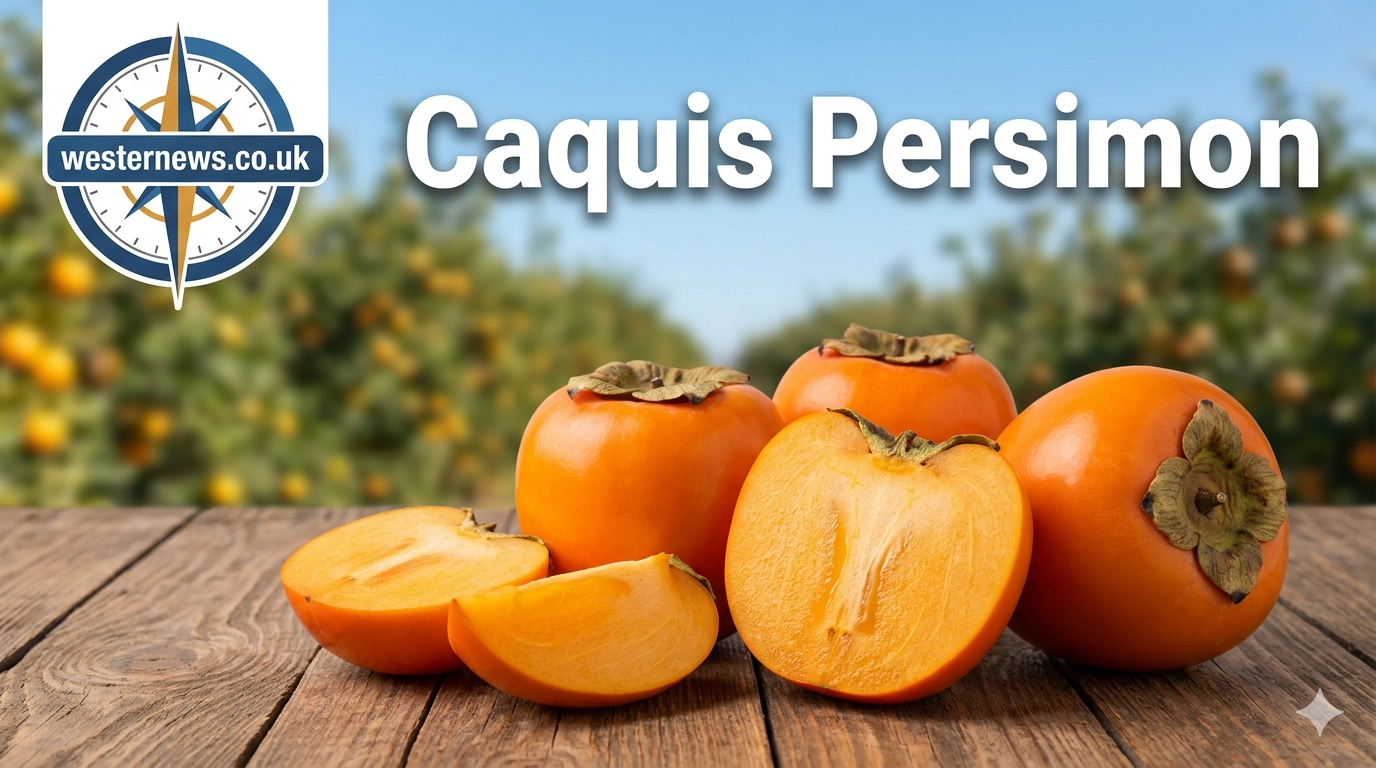
Caquis Persimon, a unique type of persimmon fruit, has become a culinary treasure for many around the world. Known for its sweetness, vibrant colour, and versatility in various dishes, it’s not just another fruit but one with a rich history, diverse varieties, and numerous health benefits. In this article, we will explore everything there is to know about Caquis Persimon, from its origins to its culinary uses and health advantages.
What Is Caquis Persimon?
Caquis Persimon, commonly referred to as persimmon in English, is the name given to a particular type of persimmon, mostly cultivated in Spain. The name “Persimon” is a trademark of a specific type of non-astringent persimmon. What sets Caquis Persimon apart is its ability to be eaten while firm, unlike its astringent relatives that need to be fully ripe before consumption. This makes it a versatile fruit, enjoyed both fresh and in cooking. The fruit is known for its striking orange colour and sweet, honey-like flavour, which is why it is often used in both sweet and savoury dishes.
Origins and History of Persimmons
Persimmons, including the Caquis Persimon, have ancient roots. Native to East Asia, the persimmon tree (Diospyros kaki) was first cultivated in China over 2,000 years ago. From there, it spread to Japan, Korea, and later to Europe and the Americas. The fruit has a long cultural history, particularly in Japan and Korea, where it plays an important role in both cuisine and festivals. It was introduced to the western world in the 19th century and has since become a popular fruit in many parts of the globe.
While the fruit’s ancient cultivation was rooted in Asia, the modern cultivation of Caquis Persimon as a non-astringent variety has its roots in Spain. This specific type of persimmon is now widely produced and consumed, especially in Mediterranean countries, where its cultivation thrives in the temperate climate.
Varieties of Caquis Persimon
Caquis Persimon is a specific variety of persimmon, often grouped within the broader category of non-astringent persimmons. Non-astringent persimmons, like the Fuyu, can be eaten while still firm and have a sweet, mild flavour. This contrasts with astringent persimmons, such as the Hachiya, which are bitter and inedible until they are fully ripe and soft.
The Caquis Persimon, particularly the variety grown in Spain, is unique because it is cultivated to be non-astringent from the moment it is harvested. This means that unlike traditional persimmons, it does not require the long wait to ripen before it can be eaten. As a result, it can be consumed fresh, in its firm state, or used in various culinary applications without any bitterness.
The Taste and Texture of Caquis Persimon
When it comes to the taste and texture of Caquis Persimon, it stands out due to its pleasant sweetness. The fruit has a smooth, orange skin that is perfectly edible, and its flesh is juicy and firm when ripe. Unlike other persimmons, which can become overly mushy when ripe, Caquis Persimon retains a crisp texture that is both refreshing and satisfying.
The taste is mildly sweet, with honey-like undertones and a subtle citrus flavour. While it may not be as tangy as some other fruits, it offers a unique balance of sweetness and refreshing juiciness. The texture is another highlight – it’s firm yet tender enough to be easily sliced or bitten into, making it perfect for adding to salads, desserts, or enjoying on its own.
Nutritional Benefits of Caquis Persimon
Caquis Persimon is not only a delicious fruit but also an incredibly healthy one. Rich in vitamins, antioxidants, and fibre, it provides a variety of benefits to your health.
The fruit is particularly high in vitamin C, an important nutrient for boosting the immune system, preventing cell damage, and promoting healthy skin. It also contains a significant amount of vitamin A, which supports eye health and helps maintain a healthy immune system. Additionally, Caquis Persimon is a good source of dietary fibre, which aids in digestion and helps keep the digestive system functioning properly.
Another key benefit of Caquis Persimon is its antioxidant content. The fruit is packed with polyphenols and carotenoids, which have been shown to help protect the body from oxidative stress and inflammation. These compounds may also contribute to reducing the risk of chronic diseases, such as heart disease and certain types of cancer.
How to Eat and Use Caquis Persimon
Caquis Persimon is incredibly versatile and can be used in a variety of ways. One of the most popular ways to enjoy this fruit is simply by eating it fresh. Its natural sweetness and refreshing texture make it a perfect snack. To eat it, simply slice off the top and either eat it like an apple, with the skin on, or peel the skin off before consuming the flesh.
Beyond fresh consumption, Caquis Persimon can also be used in cooking and baking. It pairs wonderfully with both sweet and savoury dishes. In salads, it can provide a sweet contrast to more savoury ingredients like cheese, greens, and nuts. In baking, it can be incorporated into cakes, pies, and muffins, where its natural sweetness reduces the need for added sugar.
The fruit can also be roasted or grilled for a warm, caramelized flavour. When dried, persimmons become even sweeter and more concentrated in flavour, making them a great addition to jams, chutneys, or as a topping for cereals and granola.
Growing and Harvesting Caquis Persimon
Caquis Persimon is primarily grown in temperate climates, with Spain being one of the leading producers. The fruit requires a warm growing season and mild winters to thrive. The trees themselves are quite hardy and can tolerate different soil types, though they prefer well-drained, fertile soils. They are deciduous trees that shed their leaves in autumn, leaving behind vibrant orange fruit that is harvested in the late autumn months.
Once harvested, Caquis Persimon undergoes a special process to ensure that the fruit maintains its firm texture and sweet flavour. The fruit is typically treated to reduce its astringency, which is what gives persimmons their bitter taste when they are not fully ripe. This treatment ensures that Caquis Persimon can be eaten while still firm, unlike traditional persimmons that must ripen fully before they can be consumed.
Storing and Selecting Caquis Persimon
When selecting Caquis Persimon, look for fruit that has a deep orange colour and a smooth, unblemished skin. Avoid fruits with soft spots or bruising, as these may indicate that the fruit is overripe. If you plan to eat the fruit fresh, select ones that are firm and ready to be consumed immediately.
Caquis Persimon can be stored at room temperature if they are not yet ripe. Once ripe, the fruit can be refrigerated to extend its freshness. However, it’s important to note that while it can be stored for a few days in the fridge, it’s best to enjoy the fruit as soon as possible for optimal taste and texture.
Conclusion
Caquis Persimon’s is not just a fruit; it is a symbol of nature’s ability to produce something that is both delicious and nutritious. With its sweet flavour, firm texture, and impressive health benefits, it has found a place in the kitchens of food lovers around the world. Whether eaten fresh, used in cooking, or enjoyed as a dried treat, this vibrant fruit offers a wealth of possibilities for culinary creativity.
With its rich history, diverse varieties, and impressive nutritional profile, Caquis Persimon’s deserves to be celebrated as one of the most remarkable fruits available today. Whether you’re enjoying it on its own, adding it to your favourite dishes, or experimenting with new recipes, Caquis Persimon is a fruit that brings both joy and health to your table.