What Is a Fur Hen?
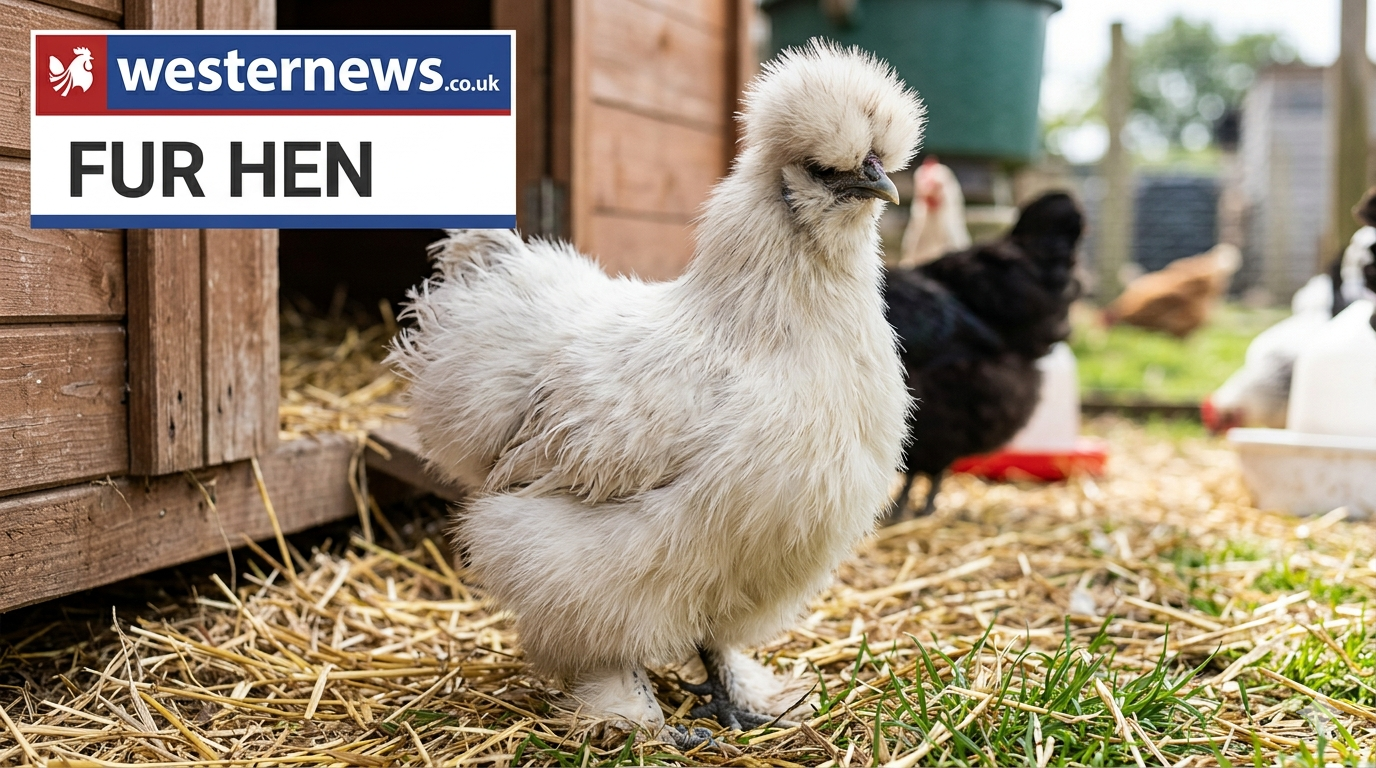
The term “fur hen” might sound like something out of a fantasy story, but it is actually used to describe domestic chickens with exceptionally soft and fluffy feathers that resemble fur. These birds are still normal chickens, but their unique feather structure gives them a plush and fuzzy appearance. The phrase is mostly used by poultry hobbyists and enthusiasts and is not an official breed classification. A fur hen’s feathers provide warmth and insulation, and the softness of the plumage gives the bird its distinctive charm.
Why Are They Called Fur Hens?
Chickens normally have feathers with tiny hooks called barbules that interlock and create a smooth surface. In fur hens, these hooks are missing or less developed, which allows the feathers to remain loose and fluffy. The air trapped in these soft feathers gives the chicken a warm, fur-like appearance. Although they look different, fur hens are fully capable of regulating their body temperature and performing normal chicken behaviors, and the unique feathers are simply a result of selective breeding over generations.
Popular Breeds That Look Like Fur Hens
Several chicken breeds are commonly associated with the term fur hen due to their soft and fluffy feathers. Silkies are perhaps the most famous, known for their hair-like feathers, gentle nature, and calm temperament. They have black skin and bones, which adds to their unusual and exotic appearance. Frizzle chickens are another example, and they are not a separate breed but a feather type where the barbs curl outward, creating a playful and curly look. Cochins are large, round chickens with thick feathering, including feathered legs, that gives them a puffed-up and fluffy silhouette. Polish chickens are notable for their large crests, which can cover their eyes and add to their furry appearance. Other feathered varieties, such as bearded or muffed chickens, also fall under the informal category of fur hens because their plumage gives a similar soft and fuzzy effect.
History and Origins of Fur Hens
The concept of soft-feathered chickens can be traced back to ancient Asia, particularly China, where birds with unusually soft feathers were prized for their novelty and ornamental value. These chickens were often transported along trade routes, eventually reaching Europe, where they became highly valued for their unique appearance. Over the years, selective breeding preserved the traits of soft and fluffy feathers, turning these birds into ornamental pets rather than commercial egg or meat producers. Today, fur hens remain popular for exhibition shows and backyard flocks, prized for both their appearance and gentle temperament.
Physical Characteristics of Fur Hens
The most distinctive feature of fur hens is their fluffy, fur-like feathers. The lack of interlocking hooks allows the barbs to remain loose, giving the plumage a soft and plush texture. Many breeds that fall under the fur hen category have rounded and puffed-up body shapes, which make them appear larger and more cuddly. Some breeds even have feathers on their feet, which adds to the overall fluffy impression. The feather structure and shape of the body are what make these chickens stand out in comparison to ordinary farmyard birds.
Behavior and Temperament
Fur hens are known for their calm and friendly personalities. They tolerate handling well and are often affectionate with humans, making them ideal for households with children or first-time chicken keepers. Like all chickens, fur hens enjoy social interaction within the flock and can form strong bonds with other chickens. Certain breeds, such as Silkies, are particularly attentive mothers, often hatching eggs from other chickens or birds with great dedication. Their gentle nature and social behavior contribute to their reputation as excellent companion animals.
Egg Production and Meat Uses
Fur hens do lay eggs, but their production is generally lower than that of commercial laying breeds. The eggs are usually small to medium in size and are not the primary reason people raise these birds. Fur hens are also not typically used for meat because they tend to be smaller and grow more slowly. Their ornamental value far outweighs any commercial purpose, and they are usually kept for companionship, exhibition, or enjoyment rather than for food production.
Housing and Environmental Needs
Fur hens require proper shelter and a well-ventilated, dry coop. Their fluffy feathers do not repel water as effectively as normal feathers, so damp or wet conditions can cause discomfort and matting. Low perches are recommended because these birds are not strong flyers, and easy access to food and water is essential. Providing a dry and safe environment ensures that fur hens remain healthy and comfortable throughout the year.
Feeding and Nutrition
Fur hens thrive on a standard chicken diet, including balanced poultry feed and clean water. Treats such as grains or leafy greens can be given in moderation. During molting, additional protein can help maintain the softness and quality of their feathers. Adequate nutrition is important not only for their health but also to preserve their plush, fur-like appearance.
Health and Grooming
Because of their dense and fluffy feathers, fur hens are prone to issues such as feather matting and hiding places for parasites. Regular checks for mites or lice are necessary to maintain good health. Grooming may include trimming feathers around the eyes if they obstruct vision and ensuring feathers remain dry. Proper care prevents health problems and helps the birds maintain their unique appearance.
Popularity and Cultural Significance
Fur hens have gained popularity in modern culture due to their adorable and unusual looks. Social media platforms frequently feature videos and images of these fluffy chickens, often going viral under hashtags such as #FurHen or #FluffyChicken. Their appeal goes beyond aesthetics, as their gentle temperament and charming behavior make them ideal for educational purposes, family pets, and hobby farms.
fur hen Myths and Misconceptions
Some people mistakenly believe that fur hens have real fur, but they only have feathers that resemble fur. Others assume that these chickens are genetically modified, when in reality they are the product of selective breeding over centuries. Fur hens are not a separate species, and despite their unusual appearance, they share all the same biological characteristics as ordinary domestic chickens. Clarifying these misconceptions helps people better understand and appreciate these unique birds.
Advantages and Disadvantages
Fur hens are attractive, gentle, and excellent mothers, especially the Silkie breed. Their soft appearance and calm temperament make them appealing to both children and adult chicken keepers. On the other hand, they produce fewer eggs than commercial layers, require more care in wet or damp environments, and need regular grooming to maintain feather quality. Despite these disadvantages, many enthusiasts find the joys of raising fur hens far outweigh the extra care required.
Conclusion
Fur hens are remarkable birds that combine unique physical traits with gentle personalities. Their fluffy, fur-like feathers, calm nature, and maternal instincts make them beloved companions for backyard flocks and hobbyists. Though they are not used for large-scale egg production or meat, fur hens remain highly valued for their beauty and charm. Their history, variety of breeds, and cultural popularity highlight the extraordinary diversity found in domestic chickens, and their whimsical appearance ensures that they continue to capture the hearts of poultry enthusiasts around the world.