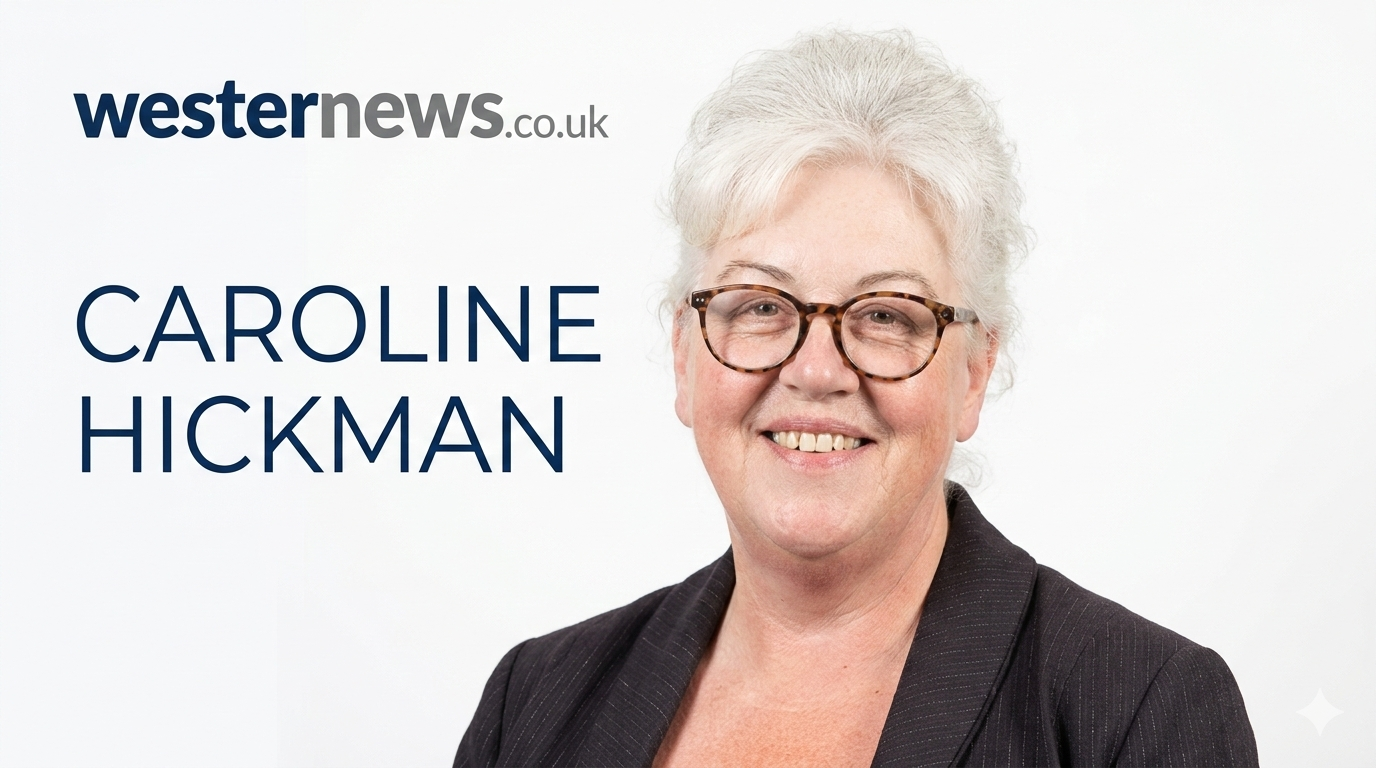
Caroline Hickman is a respected British psychotherapist and climate psychologist. Her work is at the forefront of climate psychology, where she focuses on the psychological impacts of climate change, particularly eco-anxiety, which refers to the emotional distress caused by the awareness of environmental crises. Her contributions to the field have been instrumental in raising awareness about the mental health impacts of climate change, particularly for younger generations.
Early Life and Professional Journey
Caroline Hickman’s early life is not widely documented, as she has maintained a low public profile. However, her professional life has been marked by a significant commitment to understanding the intersection of mental health and environmental concerns. She is a lecturer at the University of Bath, where she teaches courses related to social work and climate psychology. Her academic background and clinical practice have equipped her with the knowledge to address the mental health challenges posed by the ongoing climate crisis.
The Role of Eco-Anxiety in Modern Psychology
Eco-anxiety is one of the core areas of Caroline Hickman’s research. As the climate crisis continues to worsen, more individuals, particularly younger generations, are experiencing heightened levels of anxiety related to environmental destruction. This phenomenon, known as eco-anxiety, has been the subject of much of Hickman’s work. She has been a key figure in bringing eco-anxiety into mainstream psychological discourse, emphasizing that these feelings are valid emotional responses rather than mere disorders.
In her studies, Hickman has highlighted the profound effects that climate change has on the emotional well-being of individuals, particularly children and young adults. Through her research, she has shown that eco-anxiety is not just a passing fear but a deeply rooted emotional response to the growing environmental threats the world faces. These findings have made her a leading voice in the field of climate psychology, a discipline that seeks to understand how humans process and react to climate change.
Academic Contributions and Research on Climate Change
Caroline Hickman’s academic contributions have been pivotal in understanding how eco-anxiety affects individuals on a psychological level. One of her most notable research projects involved surveying over 10,000 young people from across the globe about their feelings toward climate change. This research was published in The Lancet Planetary Health, one of the leading scientific journals. The study found that a large percentage of young people expressed feelings of fear, sadness, and hopelessness about the future of the planet, highlighting the global nature of eco-anxiety.
In addition to her research, Hickman has been involved in various projects aimed at providing therapeutic support to those struggling with eco-anxiety. She works with schools, community groups, and mental health professionals to develop strategies to help people cope with the emotional challenges posed by the climate crisis. Her work in this area has made her a sought-after expert in climate-related mental health issues.
Caroline Hickman’s Approach to Climate-Aware Therapy
Caroline Hickman’s therapeutic approach combines traditional psychotherapy with an understanding of climate change and its psychological effects. Known as climate-aware therapy, this approach involves acknowledging the emotional distress caused by climate change and providing support for individuals grappling with these feelings.
Rather than dismissing eco-anxiety as a trivial concern, Hickman views it as a legitimate emotional response to a very real global issue. She advocates for a compassionate and empathetic approach to therapy that validates people’s feelings of fear and uncertainty about the future while also encouraging them to take positive actions. This approach helps individuals navigate their emotions and find ways to cope with the mental health challenges posed by climate change.
Caroline Hickman Work with Youth and Schools
One of the most important aspects of Caroline Hickman’s work is her focus on supporting children and young people who are particularly vulnerable to eco-anxiety. As young people become more aware of the environmental challenges facing the planet, many experience heightened anxiety about the future. Hickman works directly with schools and youth groups to help educators understand how to support students who are struggling with these feelings.
Her workshops and training sessions provide educators with tools to address eco-anxiety in a way that is both compassionate and constructive. By fostering open conversations about climate change and its emotional impacts, Hickman helps young people process their emotions and build resilience in the face of an uncertain future.
Caroline Hickman Public Influence and Media Presence
Caroline Hickman is frequently called upon to speak at conferences, in the media, and at academic forums where she shares her expertise on climate anxiety and mental health. She has been featured in numerous publications, podcasts, and panel discussions, where she addresses the mental health implications of climate change and offers advice on how to manage eco-anxiety.
Her media appearances have helped raise awareness about the growing mental health crisis associated with climate change, and she is often cited as a leading expert in the field of climate psychology. Hickman’s influence extends beyond academia into the broader public sphere, where her work is helping shape the way we think about and respond to the psychological impacts of climate change.
Caroline Hickman Personal Life: Relationship with Steve Coogan
Caroline Hickman was previously married to Steve Coogan, the well-known English actor and comedian. Their marriage took place in the early 2000s but ended in divorce in 2005. While the details of their relationship and subsequent separation have not been extensively publicized, the connection between Hickman and Coogan has occasionally drawn media attention. However, it is important to note that Hickman’s professional life and her work on climate psychology remain the central focus of her public persona.
Caroline Hickman Current Work and Ongoing Projects
As of 2026, Caroline Hickman continues to be active in the field of climate psychology. She remains a lecturer at the University of Bath, where she continues to teach and mentor the next generation of climate-conscious social workers and psychologists. Hickman is also involved in various research projects that explore the psychological impacts of climate change and the best ways to support those affected by eco-anxiety.
Her ongoing work includes offering therapeutic services, conducting workshops, and collaborating with mental health professionals to develop new approaches to climate-aware therapy. Hickman’s commitment to both research and practical solutions ensures that she remains a key figure in the field of climate psychology.
Conclusion
Caroline Hickman’s work in the field of climate psychology has had a profound impact on how we understand and address eco-anxiety and the mental health effects of climate change. Through her research, therapy, and public speaking, Hickman has provided valuable insights into the emotional toll that climate change takes on individuals, particularly young people. Her contributions to the field have made her a leading expert in climate-related mental health issues, and her work continues to inspire and inform efforts to help people cope with the emotional challenges of living in an era of environmental uncertainty.
While Caroline Hickman’s professional life remains the focus of her public profile, her association with Steve Coogan has occasionally brought her into the media spotlight. However, it is her ongoing work as a psychotherapist, lecturer, and climate psychologist that continues to shape her legacy and influence the growing field of climate psychology.