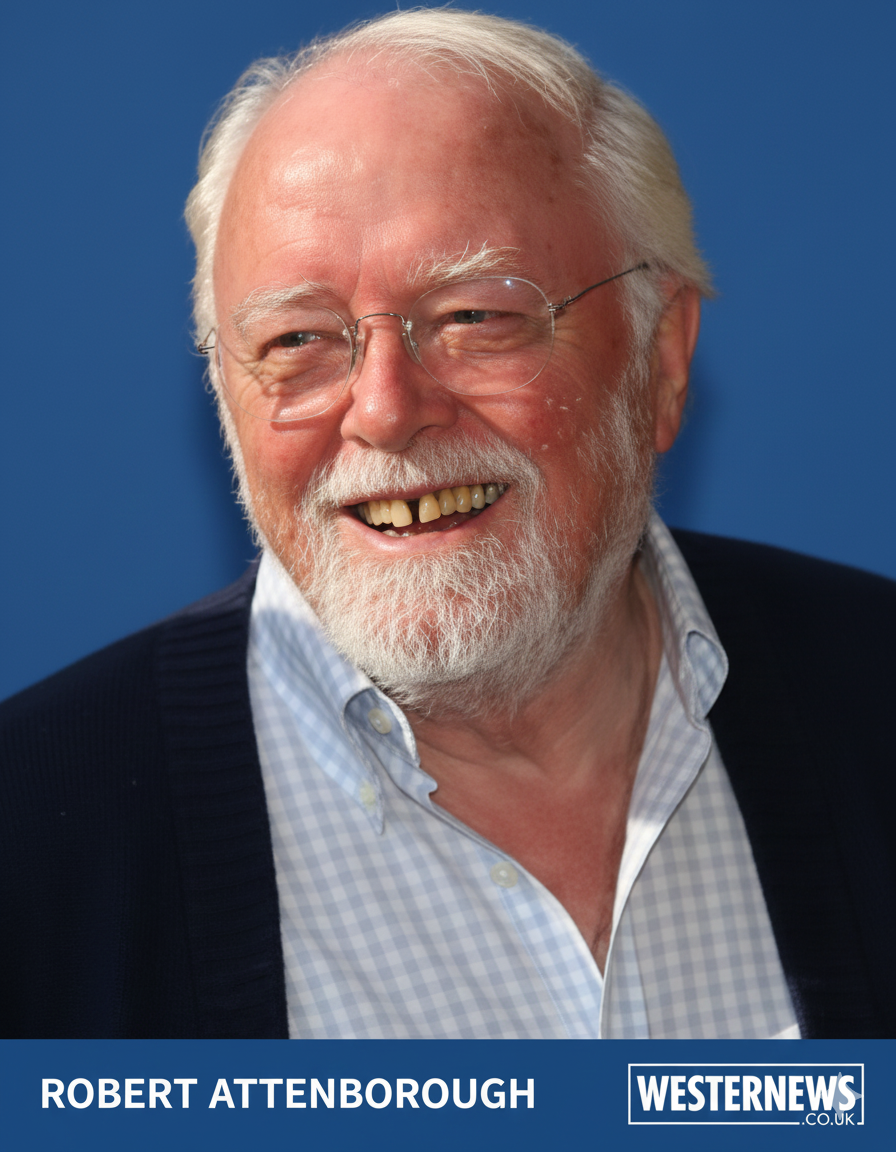
Introduction: Robert Attenborough Background
Robert Attenborough is best known as the son of Sir David Attenborough, the world-renowned broadcaster and natural historian. While his father became a household name for his pioneering documentaries on nature and wildlife, Robert has carved his own niche as an educator, academic, and anthropologist. Unlike his father’s media-centric career, Robert’s path has led him into academia, where he has made substantial contributions to the fields of biological anthropology, human population biology, and evolutionary research. Despite the prominent legacy of his father, Robert maintains a relatively private and low-key life, focusing his efforts on research and teaching rather than public fame.
Robert Attenborough Early Life and Family Connections
Robert Attenborough was born to David Attenborough and his first wife, Jane Elizabeth Ebsworth Oriel. Sir David, the iconic broadcaster, and his wife Jane married in 1950. Together, they had two children: Robert, and his sister, Susan Attenborough. While their father achieved international fame for his documentaries like The Blue Planet, Planet Earth, and Life on Earth, Robert’s life has been much more private and focused on his academic career.
Not much is publicly known about Robert’s birth date, but estimates place him in his early 60s as of the mid-2020s. Like many children of famous figures, Robert has largely stayed out of the limelight. His parents shielded their children from the intense media attention that followed their father’s successes, opting to maintain a more normal, private life.
Educational Pursuits and Academic Career
Robert Attenborough’s academic interests have led him far from the public-facing media industry of his father. Instead of following in David’s footsteps in the world of broadcasting and conservation, Robert chose a path that would allow him to study the human species in depth. His focus on biological anthropology and human population biology placed him in a realm of academia dedicated to understanding the science of human existence, evolution, and interaction with the environment.
Robert trained at prestigious institutions such as the University of Cambridge and Australian National University (ANU). He has contributed significantly to the understanding of human evolution, demography, and biocultural anthropology, focusing particularly on human populations in Oceania and other remote parts of the world. His research on topics like human health, nutrition, and population genetics continues to influence the academic world.
At ANU, Robert served as an Honorary Senior Lecturer in the School of Archaeology and Anthropology. His academic work has allowed him to delve into various aspects of human societies, from the biological underpinnings of health patterns to the social and cultural contexts in which these patterns arise. Robert’s expertise lies in understanding how populations adapt to their environments, thrive, or struggle with environmental challenges, much like the ecosystems his father documented in his films. His work crosses multiple disciplinary boundaries, intertwining elements of biological science, cultural studies, and anthropology.
Robert Attenborough Private Life and Family
While Robert’s professional life is well-documented within academic circles, much less is known about his private life. He has consciously chosen to keep his personal life away from the public eye. Details such as his marital status, whether he has children, or other familial matters are scarce, reflecting a decision to live a life separate from the public fascination with his famous father. Robert’s family life, particularly the relationship with his parents and his sister Susan, is something he prefers to keep out of media scrutiny.
Despite being the son of one of the most famous personalities in the world, Robert has largely remained out of the media spotlight. His decision to maintain privacy has been consistent throughout his life. His wife, Susan Attenborough, and any potential children Robert may have had are similarly not frequently discussed, and their details are deliberately withheld from public view.
The decision to maintain a low profile is also reflected in his limited online presence. Unlike many children of famous personalities who build public profiles or engage in social media platforms, Robert has opted not to do so, which means that much of his life remains relatively private.
Robert Attenborough Relationship with His Father and Legacy
The relationship between Robert Attenborough and his father, Sir David Attenborough, has always been one of respect and admiration, although the paths they chose diverged significantly. While David achieved global fame through his groundbreaking documentaries that opened the eyes of millions to the beauty and fragility of the natural world, Robert pursued a more academic and research-oriented career.
David’s legacy as a broadcaster and environmental advocate is unparalleled. His influence on global conservation efforts, through his documentaries and public speaking, has been immense. However, Robert’s influence is felt in the academic world, where his research contributes to understanding the biological and cultural factors that shape human existence. While their careers are not directly connected, the Attenborough legacy as a family is one of intellectual curiosity, dedication to knowledge, and respect for nature, albeit pursued through different channels.
Contributions to Anthropology and Human Studies
Robert’s academic contributions to anthropology and human studies have been highly regarded in his field. His research focuses on human populations, particularly those in Oceania and other regions less studied in mainstream anthropology. Robert has worked extensively on understanding human health patterns, population dynamics, and how cultural and environmental factors interact to shape human biology and behavior. His work on demography and human populations continues to be cited in academic literature.
One of Robert’s primary areas of interest is the interaction between cultural practices and biological evolution. He has studied how certain communities adapt biologically and culturally to their environments, including the impacts of modernity on traditional societies. His work contributes to the broader understanding of how humans have adapted over thousands of years to diverse ecological niches across the globe.
Robert Attenborough Legacy
Unlike his father, whose face is familiar to millions worldwide, Robert Attenborough’s legacy is found in his academic work, research, and contributions to the field of anthropology. While his career path may not have been as widely recognized by the public, it is highly respected within academic circles. His work on the intersections of human biology, health, and evolutionary ecology adds a different but complementary perspective to the Attenborough family legacy.
Though Robert has not gained the same level of public recognition as his father, his research has made lasting contributions to the academic understanding of human populations. His ability to maintain a career in academia while simultaneously being the son of one of the most recognizable figures in broadcasting reflects a dedication to knowledge and learning rather than the pursuit of fame.
Conclusion
Robert Attenborough may not be a household name like his father, David Attenborough, but his contributions to anthropology and human biology have made a significant impact in academic circles. His work on human populations, health, and evolutionary biology enriches the scientific community and reflects a different but valuable side of the Attenborough family legacy. Although Robert has remained largely out of the public eye, his intellectual pursuits and privacy are part of the family’s larger commitment to knowledge and understanding — traits that define the Attenborough family, both on and off the screen.