What Is Refixs2.5.8a?
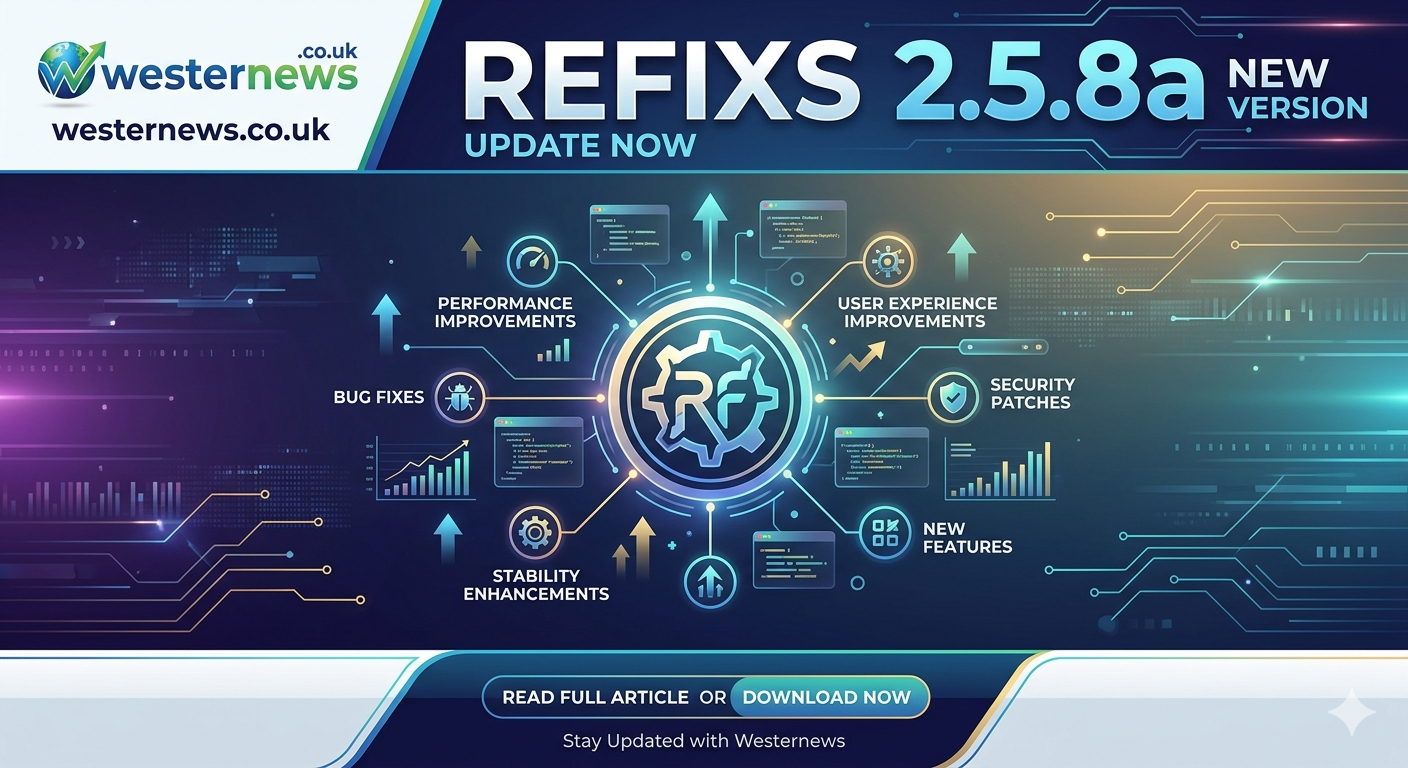
Refixs2.5.8a is an update or patch designed to enhance the functionality of existing software or applications. Often associated with Python, this versioned update aims to improve performance, fix bugs, and optimize workflows. While it might not be as widely known as some popular Python libraries, Refixs2.5.8a has gained traction in certain programming circles, especially for developers seeking smoother, more efficient coding environments.
The naming of Refixs2.5.8a follows a conventional versioning pattern. “Refixs” indicates that this is a utility designed to fix or refine software components. The “2” refers to a major release, “5” represents a minor update, and “8a” suggests this is an incremental patch, often deployed to address small issues or improvements in the system. Despite its specific version number, there is no central, widely-recognized repository for Refixs2.5.8a, meaning it is generally shared through third-party channels or forums.
What Is Refixs2.5.8a Used For?
Refixs2.5.8a is mainly used to improve the performance of software, particularly when working within a Python environment. It helps to stabilize applications, reduce bugs, and increase responsiveness. This is particularly helpful when dealing with complex software where multiple components need to interact seamlessly.
In Python, Refixs2.5.8a is often used as a tool for automating repetitive tasks, enhancing data handling, and optimizing backend processes. Developers can leverage this patch to make their workflows more efficient by reducing the time spent on manual coding tasks. It’s designed to make Python scripts run faster, handle large datasets more effectively, and integrate seamlessly with other tools like pandas or NumPy.
Besides performance optimization, Refixs2.5.8a is also geared toward fixing compatibility issues. It can resolve conflicts that may arise between different versions of libraries or between Python itself and third-party packages. For users working with legacy code or older versions of Python, this patch ensures smoother integration and better overall performance.
Why Should You Get Refixs2.5.8a for Python?
For Python developers, Refixs2.5.8a offers several compelling reasons to integrate it into their projects. One of the main advantages is that it helps streamline the coding process by automating tasks that would otherwise require manual coding. This can save a lot of time and effort, particularly in complex projects that involve repeated actions.
Another key benefit is that it improves the overall efficiency of your Python scripts. Whether you’re handling large datasets or running multiple processes in parallel, Refixs2.5.8a can make these tasks faster and more reliable. By optimizing resource usage, it reduces the risk of crashes or slowdowns, especially in resource-intensive applications.
For teams working on collaborative Python projects, Refixs2.5.8a offers a way to ensure that everyone is using the same optimized configurations. This can help prevent issues that arise from mismatched library versions or performance discrepancies across different development environments.
Lastly, Refixs2.5.8a also provides a layer of security updates. If you’re working in a shared or public codebase, applying this patch ensures that your Python scripts adhere to the latest security practices, reducing the risk of vulnerabilities that could be exploited by malicious users.
How Much Does Refixs2.5.8a for Python Cost?
Pricing for Refixs2.5.8a varies depending on where you download it from and whether it’s available through a third-party site. Some sources report that it may be offered under a commercial license, with prices typically starting at around $49 for the basic version. Higher-tier versions that offer additional features, support for larger teams, or more complex functionalities may cost up to $199 or more.
However, there’s also a free version available through open-source channels, though it’s important to verify the legitimacy and safety of these sources. Be cautious when downloading any software from unofficial repositories, as it may pose security risks or be bundled with unwanted software.
How to Use Refixs2.5.8a in Python?
Using Refixs2.5.8a in Python is straightforward, especially if you’re familiar with Python’s package management system. The first step is to install it via the Python Package Index (PyPI) or using a package manager like Pip.
To install Refixs2.5.8a, open your terminal or command prompt and run the following command:
pip install refixs==2.5.8a
Once installed, you can begin using Refixs2.5.8a in your Python scripts. Simply import it by adding the following line at the top of your script:
import refixs
From here, you can use the various functions and utilities provided by the library to optimize your code. Whether you’re working on data processing, automating tasks, or improving the efficiency of backend processes, Refixs2.5.8a can assist you with a wide range of operations.
For example, if you’re dealing with large datasets and need to clean or preprocess data, you can use Refixs2.5.8a’s functions to speed up these operations, allowing you to focus on more important aspects of your project.
Downloading Refixs2.5.8a Python: What You Need to Know
When it comes to downloading Refixs2.5.8a, caution is advised. Since it is not available on the official Python Package Index (PyPI), you may have to rely on third-party sites for access. This means that you need to be extra careful about where you get the file from to avoid downloading malicious software or other unwanted programs.
If you decide to download Refixs2.5.8a from an unofficial source, make sure to check reviews and feedback from other users to ensure that the site is reputable. Additionally, always run a security scan on the downloaded files before executing them.
Alternatively, if the library is available through a verified platform, such as a known Python repository, it is generally safe to download and install using the standard Pip command mentioned earlier.
Troubleshooting Refixs2.5.8a Not Working
Despite its benefits, some users may experience issues with Refixs2.5.8a not working as expected. If you encounter problems with installation or functionality, here are a few common troubleshooting steps you can follow:
Reinstall the Package
If the installation didn’t work as expected, try uninstalling the package and reinstalling it using Pip. You can do this with the following commands:
pip uninstall refixs
pip install refixs==2.5.8a
Verify Your Python Version
Ensure that you’re using a version of Python that is compatible with Refixs2.5.8a. Sometimes, issues can arise if you’re using an older version of Python or if there are conflicts between different versions of the software.
Check for Conflicts with Other Libraries
If you’ve installed other Python libraries that also modify or optimize system performance, there may be conflicts. Try creating a virtual environment to isolate Refixs2.5.8a and other dependencies, which can help avoid compatibility issues.
python -m venv refixs_env
source refixs_env/bin/activate  # On Windows, use `refixs_env\Scripts\activate`
Debugging Output
If the package still isn’t working as expected, check the output of your Python script for error messages. These can often point to specific issues related to incorrect installation or compatibility problems.
Conclusion
Refixs2.5.8a offers a valuable set of tools and improvements for Python developers, especially those dealing with performance optimization, task automation, and data processing. While it’s not as widely known or used as some mainstream Python libraries, it provides a useful set of utilities that can make a significant difference in your workflow.
However, caution is needed when downloading or installing Refixs2.5.8a. Always ensure you’re using trusted sources and verify compatibility with your Python version. By following best practices and troubleshooting techniques, you can effectively integrate Refixs2.5.8a into your Python projects to streamline your work and enhance performance.