Introduction
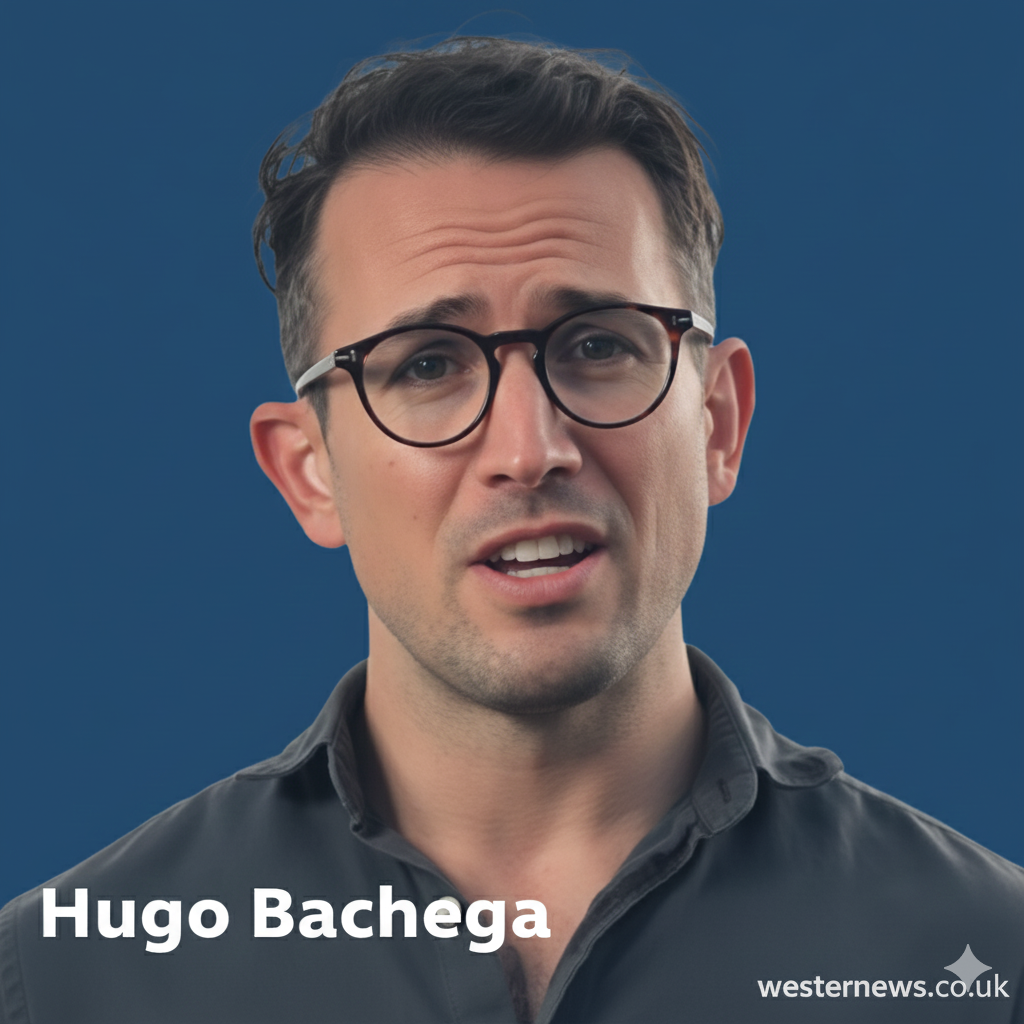
Hugo Bachega is a seasoned journalist currently working as a Middle East correspondent for BBC News. His career spans across multiple continents, covering some of the most high-risk and sensitive regions of the world. Known for his thoughtful, human-centered reporting, Bachega’s work focuses on bringing attention to the human side of global issues, often shining a light on the everyday lives of people living through conflict, crisis, and war.
This article delves into the life, career, and impact of Hugo Bachega, shedding light on his background, work, and how he has contributed to journalism in difficult and volatile regions.
Early Life and Background
Where is Hugo Bachega from?
Hugo Bachega was born in São Paulo, Brazil, and his journey to becoming a global correspondent is deeply rooted in his upbringing and early career. Raised in Brazil, Bachega began his career in journalism at a young age, initially working in the field of media before transitioning to international journalism.
While Bachega has spent much of his professional life outside of Brazil, his Brazilian heritage continues to play a significant role in shaping his identity, and it influences his reporting. His understanding of Brazilian culture and language has proven to be a key advantage in his ability to communicate with diverse populations, especially when covering stories in Portuguese-speaking regions.
Nationality and Language
Bachega’s nationality is Brazilian, but there are sources suggesting he may also hold British citizenship, likely reflecting his long association with the United Kingdom-based BBC. His language skills are one of his most notable assets; being fluent in Portuguese (his native tongue) and English allows him to work effectively across different cultures and regions. His accent has been described as a unique blend of his Brazilian roots and international exposure, making him easily recognizable in the field.
Career Beginnings
Before joining BBC News, Hugo Bachega worked at several other news agencies, gaining experience in high-pressure reporting environments. One of the most prominent stages of his early career was his time with Reuters, where he covered critical stories in São Paulo and beyond. Bachega’s experiences at Reuters laid the foundation for his later work at BBC, where his reporting on global conflicts and human rights issues would set him apart as one of the most respected journalists in his field.
His extensive career with the BBC has earned him a reputation for being empathetic and insightful, especially in his coverage of crises and war zones. He often provides an in-depth look at the struggles faced by ordinary people, giving them a voice when their stories might otherwise be ignored by traditional news coverage.
BBC and Middle East Correspondence
Since joining BBC News, Hugo Bachega has made a name for himself as the BBC’s Middle East Correspondent. In this role, he has reported from some of the most volatile regions in the world, including conflict zones in the Middle East. His stories have brought global attention to important humanitarian issues, from the plight of refugees to the impact of ongoing military conflicts.
Bachega’s coverage often focuses on the human elements of global events. While many news outlets tend to emphasize political and military angles, Bachega’s reporting showcases the resilience of the human spirit in the face of adversity. His on-the-ground coverage provides a more personal and relatable perspective, allowing viewers and readers to see beyond the headlines and connect with the people affected by major global events.
His ability to speak multiple languages, including English and Portuguese, has helped him gain access to diverse communities, further enriching his storytelling. This is particularly important in conflict areas where communication barriers are often a significant challenge for journalists.
Reporting Style and Impact
Hugo Bachega is widely regarded for his thoughtful reporting style. His deep empathy and commitment to telling stories from the ground up have earned him recognition across the journalism industry. Rather than simply covering events as an observer, Bachega immerses himself in the communities he reports on, often forming connections with local people to better understand their experiences.
Human-Centered Reporting
Bachega’s work is known for its human-centered approach. He focuses on the people behind the headlines — refugees, civilians, and others whose lives are deeply impacted by conflicts, disasters, and political upheaval. This approach is particularly evident in his coverage of war and crisis situations, where he often highlights the struggles of individuals who are caught in the crossfire.
Through his reporting, Bachega strives to bring attention to the human consequences of conflict. By doing so, he provides a more holistic view of global events, one that goes beyond mere statistics and political analysis. His ability to highlight these personal stories has helped foster greater understanding and empathy among his audience.
Covering Crisis Zones
In addition to his work in the Middle East, Bachega has also reported on natural disasters, refugee crises, and human rights issues around the world. His in-depth reporting has brought attention to critical issues like the Syrian refugee crisis, conflict in Ukraine, and various humanitarian disasters that have unfolded across the globe.
Personal Life and Public Image
While much of Hugo Bachega’s professional life is public, he remains private about certain aspects of his personal life. Marital status, children, and other personal details have not been publicly confirmed or widely discussed in the media, maintaining a certain level of privacy around his personal affairs. This is not unusual for journalists who work in high-risk regions, where privacy is often prioritized for personal safety reasons.
Bachega’s social media presence is one of the few public windows into his personal life. Through platforms like Instagram and Twitter, he shares updates on his work and life in the field, offering followers a glimpse into the challenges he faces as a journalist. However, he keeps his personal relationships and family matters out of the public eye.
Hugo Bachega’s Legacy
Hugo Bachega has left an undeniable mark on the field of journalism. His work continues to inspire the next generation of journalists, particularly those interested in conflict reporting and human rights. His commitment to telling the stories of ordinary people affected by extraordinary circumstances sets him apart in a profession often dominated by political narratives and breaking news.
Through his career, Bachega has shown the power of journalism to make a difference in the world, not only by informing the public but also by giving a voice to the voiceless. His work highlights the human cost of conflict and the resilience of those who endure the most challenging circumstances.
Conclusion
Hugo Bachega’s journey as a journalist has been marked by dedication, empathy, and a deep commitment to truth. From his early days in Brazil to his work as a Middle East correspondent for BBC News, he has consistently sought to bring the stories of ordinary people to the forefront. As he continues his work in some of the world’s most challenging environments, Bachega’s impact on global journalism is undeniable, and his approach to storytelling is a model for aspiring journalists everywhere.
Final Thoughts: Hugo Bachega’s journey is a testament to the power of empathy in journalism. His ability to tell the human side of every story he covers allows the world to better understand the crises faced by individuals in conflict zones. His work will likely continue to inspire and educate the world on the importance of responsible and compassionate journalism.