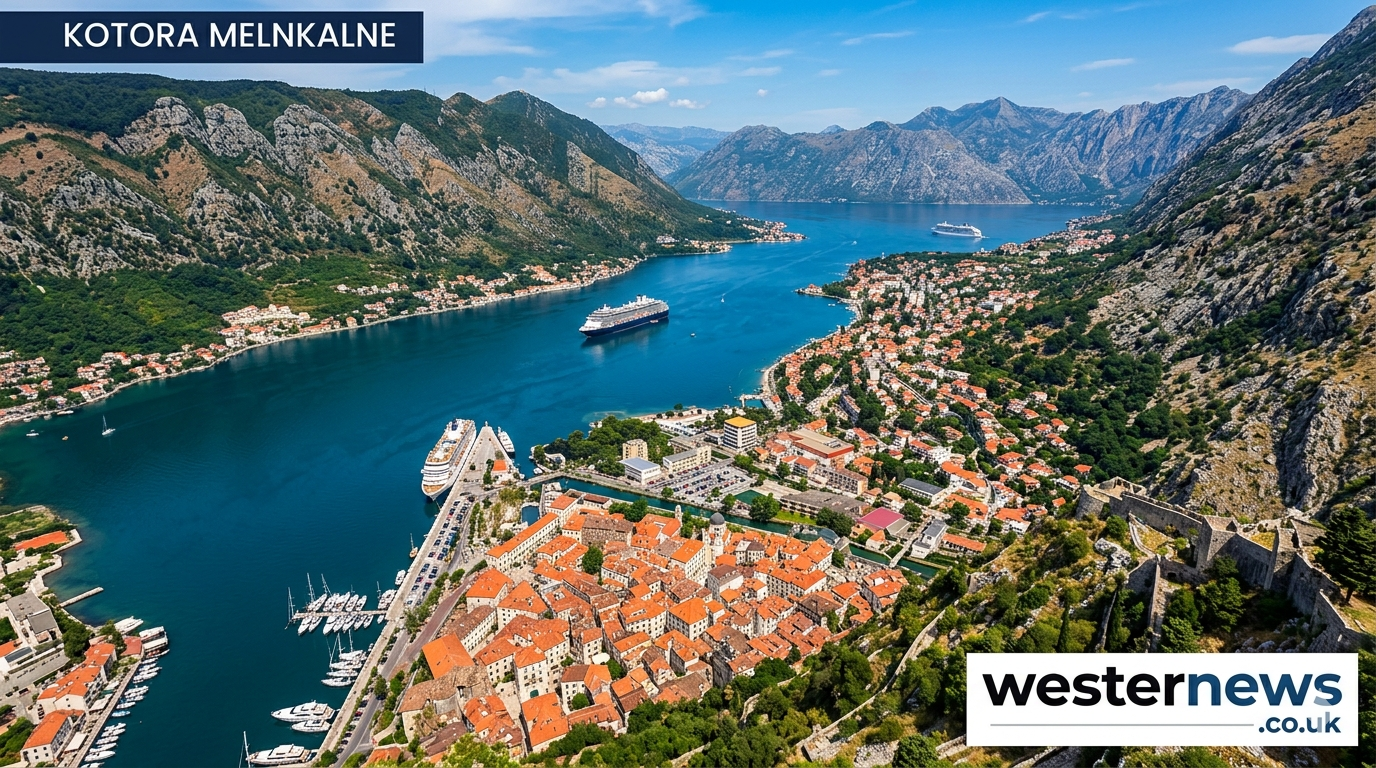
Kotora Melnkalne is a phrase that evokes mystery, beauty, and the sense of an old, hidden European town nestled between mountains and sea. The name itself, while poetic and alluring, is not officially recognized on maps or in travel guides. Instead, it is a creative expression used by writers and travelers to describe the breathtaking coastal town of Kotor in Montenegro. The combination of words paints an image of a town with steep, dark mountains rising behind it, and tranquil blue waters stretching into the horizon. The story of Kotora Melnkalne is as much about imagination as it is about the real location it represents, capturing the essence of a place where history, nature, and human creativity converge.
The Meaning Behind Kotora Melnkalne
The words Kotora Melnkalne are composed in a way that merges history and poetic imagery. Kotora is derived from the name Kotor, a real town on the Montenegrin Adriatic coast. Writers often add an extra vowel or slightly alter the name to give it a lyrical quality, making it sound as if it belongs in a storybook. Melnkalne, on the other hand, draws from linguistic roots in the Baltic and Slavic languages, where “melns” refers to black and “kalns” means mountain. In essence, the phrase evokes the meaning of Montenegro, which itself translates to “black mountain,” but in the context of Kotor, it gives the impression of a town under the shadow of towering dark mountains. The phrase therefore becomes a symbolic representation of the town, capturing both its physical geography and its emotional impact on those who visit.
The Origins of the Town of Kotor
Kotor, the town that Kotora Melnkalne symbolizes, has a rich history that stretches back thousands of years. Settled in antiquity, Kotor has seen the rise and fall of many empires, from the Illyrians and Romans to the Byzantines. Each civilization left its mark on the town, creating a layered architectural and cultural heritage that is visible today in its old walls, churches, and public squares. Over the centuries, Kotor became a strategic point for maritime trade, protected by its natural bay and fortified walls. Venetian influence is particularly strong in the town, evident in the architecture and urban planning that echoes the charm and sophistication of the Venetian Republic. The town’s history is also marked by periods of Ottoman and Austro-Hungarian rule, which further enriched its culture and traditions.
The Medieval Old Town
Walking through Kotor’s medieval old town is like stepping into another era. Narrow cobblestone streets wind through neighborhoods where centuries-old buildings still stand. The town is dotted with small squares, churches, and palaces, each telling stories of a bygone era. St. Tryphon’s Cathedral, built in 1166, remains one of the town’s most iconic landmarks, standing as a testament to Kotor’s enduring history. The Maritime Museum offers insight into the town’s connection to the sea, showcasing artifacts and exhibits that trace centuries of seafaring tradition. Visitors often find themselves enchanted by the harmony between the town’s stone facades and the sparkling waters of the bay, a juxtaposition that seems to exist outside the ordinary flow of time.
The Dramatic Landscape
One of the reasons Kotora Melnkalne captures the imagination so vividly is the dramatic landscape surrounding Kotor. The town sits at the end of the Bay of Kotor, which is often mistaken for a fjord due to its narrow shape and steep cliffs. Limestone mountains rise almost vertically from the water, creating a breathtaking backdrop that adds a sense of mystery and grandeur to the town. The San Giovanni Fortress climbs high above the old town, offering panoramic views of the bay and the surrounding mountains. The climb is steep and challenging, but the reward is an unparalleled vista that makes every step worthwhile. From this vantage point, the town appears as a jewel nestled in the embrace of the mountains, a vision that perfectly matches the poetic image of Kotora Melnkalne.
Culture and Traditions
Kotor is not only defined by its history and scenery but also by its vibrant culture and traditions. The town hosts a variety of festivals and cultural events that celebrate music, art, and maritime heritage. KotorArt, a festival of classical music and arts, brings performers from around the world to the town, filling its streets and squares with the sound of violins, flutes, and orchestras. The Bokeljska Noć, or Night of the Bay, celebrates the town’s seafaring history with illuminated boats and nighttime festivities on the water. Local folklore and carnival traditions also add color and vitality to the town, connecting modern residents and visitors with centuries of cultural heritage. These events, coupled with the town’s historic charm, create an atmosphere that feels both alive and timeless.
The Cuisine of Kotor
The culinary experience in Kotor reflects its coastal geography and cultural influences. Fresh seafood is central to the local diet, with octopus salad, grilled fish, and shellfish often featured in traditional meals. Local wines, such as Vranac, complement the dishes perfectly, offering a taste of the region’s agricultural richness. Traditional meats, cheeses, and breads also feature prominently in local cuisine, providing a balance to the seafood offerings. Dining in Kotor is often as much about ambiance as it is about flavor, with many restaurants offering terraces overlooking the bay or tucked into historic squares, creating a sensory experience that combines taste, sight, and atmosphere.
Architecture and Urban Design
Kotor’s architecture is a reflection of its complex history and diverse influences. Venetian palaces stand alongside Ottoman-era buildings, and Byzantine churches share space with modern structures, creating a unique architectural tapestry. The town’s urban design emphasizes the interplay between streets, squares, and fortifications, ensuring that every corner offers a glimpse into the past. The defensive walls, which stretch for kilometers and climb steeply up the mountains, not only provided protection but also shaped the town’s growth and layout. This integration of natural and man-made elements contributes to the town’s unique aesthetic, reinforcing the sense of wonder that the name Kotora Melnkalne evokes.
Tourism and Exploration
Tourism in Kotor has grown steadily over the past decades, attracting travelers drawn to its historical charm, natural beauty, and cultural offerings. Visitors often begin their exploration in the old town, wandering through narrow streets and discovering hidden squares and churches. The fortress climb is a popular activity, offering both a physical challenge and a visual reward. Boat tours of the Bay of Kotor allow tourists to appreciate the town from the water, observing the dramatic mountains and historic settlements from a different perspective. Hiking in the surrounding mountains provides opportunities to explore less-visited areas, revealing secluded villages and panoramic viewpoints. Tourism in Kotor is thus diverse, offering experiences for history enthusiasts, nature lovers, and adventure seekers alike.
Misconceptions About Kotora Melnkalne
Despite its poetic allure, Kotora Melnkalne is not an official place name. It has been used creatively by writers and bloggers to describe Kotor, Montenegro, but it does not appear in maps, travel guides, or government documents. Some online sources have mistakenly associated the phrase with locations in other countries, but research consistently points to Kotor as the real town inspiring the name. Understanding this distinction is important for travelers, especially when planning logistics such as flights, accommodation, and guided tours. Referring to Kotor ensures clarity and helps visitors access accurate information about the town and its surroundings.
The Allure of Poetic Naming
The popularity of Kotora Melnkalne in online content and travel writing reflects a broader trend in tourism and storytelling. Writers often seek to capture the essence of a place in a single phrase, blending linguistic creativity with imagery that evokes emotion and curiosity. Poetic names like Kotora Melnkalne appeal to readers’ imaginations, encouraging them to explore not only the physical location but also the atmosphere, history, and feelings associated with it. This approach to travel writing enhances the reader’s engagement and helps convey the unique character of a destination in ways that factual descriptions alone cannot achieve.
Visiting Kotor Today
For travelers inspired by the idea of Kotora Melnkalne, visiting Kotor offers an opportunity to experience the beauty and history that the phrase represents. The best time to visit is during the spring and early autumn months, when the weather is pleasant and crowds are smaller. Staying within the old town allows visitors to immerse themselves in the historic atmosphere, while accommodations along the bay provide scenic views and easy access to water-based activities. Guided tours can enrich the experience by providing historical context, local stories, and hidden gems that may not be apparent to casual visitors. Exploring the surrounding mountains and nearby towns adds depth to the visit, revealing the broader cultural and natural landscape of the region.
Conclusion
Kotora Melnkalne is a phrase that captures the imagination, blending history, nature, and human creativity into a vision of a remarkable European town. While it is not an official name, it serves as a poetic lens through which to view Kotor, Montenegro. The town itself offers centuries of history, dramatic landscapes, rich culture, and culinary delights, all contributing to the sense of wonder that inspired the phrase. Visitors to Kotor can experience the essence of Kotora Melnkalne through the old town’s cobbled streets, the climb to the fortress, the serene waters of the bay, and the vibrant local culture. In this way, the phrase becomes more than a name—it becomes an invitation to explore, imagine, and connect with a place that feels timeless, mysterious, and unforgettable.