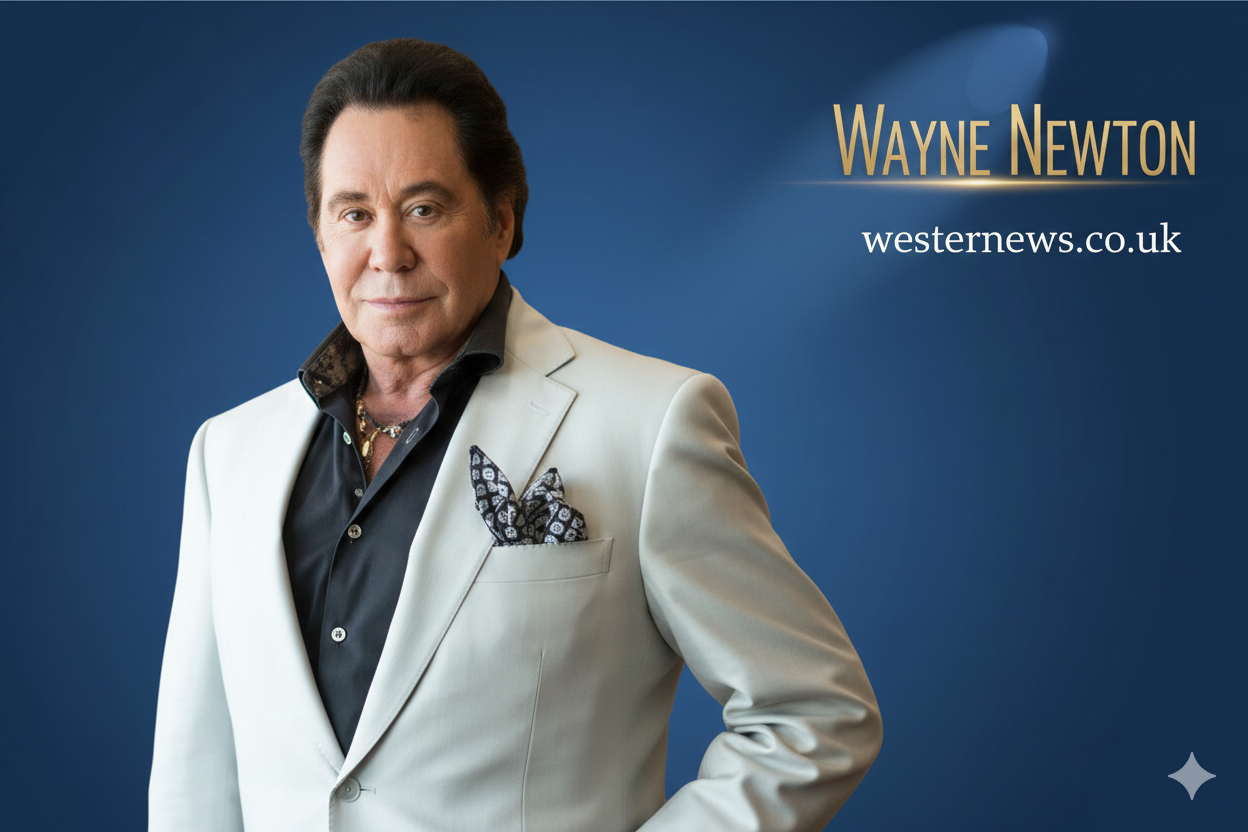
Wayne Newton, born Carson Wayne Newton on April 3, 1942, in Norfolk, Virginia, is one of the most recognizable figures in American entertainment. Known for his distinctive voice, dynamic stage presence, and long-standing career in Las Vegas, he has earned the titles “Mr. Las Vegas,” and “The Midnight Idol”. Newton is a man who built his name on a legacy of music, performances, and personal charisma that made him synonymous with the glittering lights of Las Vegas.
Early Life and Entry into Show Business
Wayne Newton’s early life began in a family where music and entertainment were woven into the fabric of everyday life. He showed his musical talents from an early age, learning to play the guitar and piano at just six years old. Along with his older brother, Jerry, Newton formed a duo that began performing at a variety of local venues, even on the radio. This early exposure to the world of performance proved to be the perfect foundation for a career that would span decades.
At the age of 16, Newton’s family moved to Las Vegas, where he would go on to develop his unique identity as a Las Vegas performer. Newton’s breakthrough came when he was hired to sing in Las Vegas casinos. He began performing in hotels and clubs, quickly gaining popularity for his ability to captivate audiences with his musical talents and charismatic stage presence.
Wayne Newton Iconic Music Career
Wayne Newton’s career as a singer officially launched with the release of “Danke Schoen” in 1963. The song became his signature hit and is still widely remembered for its association with the classic teen comedy “Ferris Bueller’s Day Off” in 1986. Its catchy, upbeat rhythm and Newton’s distinctive vocals made it an international success. The song earned him a Grammy nomination and helped establish him as a key figure in popular music.
However, Newton was not just a one-hit wonder. His career continued to flourish throughout the 1960s and 1970s, releasing hits such as “Summer Wind,” and “Red Roses for a Blue Lady.” He became a regular on television shows like “The Ed Sullivan Show” and appeared on numerous variety specials. By the time the 1970s came around, Newton was one of the most recognized names in entertainment. He also started to appear more in motion pictures and television series, including a notable role in the James Bond movie “License to Kill” (1989), where he played the character Joe Butcher.
Newton’s ability to perform a wide range of musical genres, from pop to ballads to country, allowed him to build a diverse catalog of songs. His performances were characterized by his unique style, with his suave demeanor and confident persona winning over audiences across the globe. Among his greatest hits are “Daddy, Don’t You Walk So Fast” (1972) and “Years” (1980), which remain fan favorites.
Wayne Newton Las Vegas Residency
As an entertainer, Wayne Newton’s connection to Las Vegas is unmatched. Over the years, he became synonymous with Las Vegas’ entertainment culture. He is known to have performed in over 30,000 solo shows across Las Vegas, earning him the title of “Mr. Las Vegas.” His performances at iconic Las Vegas venues like the Desert Inn, Stardust Hotel, Tropicana, Flamingo, and Hilton made him a mainstay of the Las Vegas Strip. He was a regular feature in the Las Vegas scene from the early 1960s and was instrumental in shaping the city’s identity as the entertainment capital of the world.
Newton’s shows were more than just concerts. They were events that attracted audiences of all ages and backgrounds. His performances often featured a mix of music, comedy, and personal anecdotes from his long career. With his distinctive voice, polished performance style, and charisma, Newton became the symbol of Las Vegas entertainment.
Wayne Newton Legacy in Hollywood
While Wayne Newton’s impact on the Las Vegas entertainment scene is unparalleled, he also found success in Hollywood. Over the years, he appeared in a number of television shows and movies, usually playing himself or a variation of his public persona. One of his most notable roles was in “Vegas Vacation” (1997), where he made a cameo appearance alongside the National Lampoon cast.
Perhaps most memorably, Newton appeared in “Licence to Kill” (1989) as Joe Butcher, a villainous character in one of the James Bond movies. His appearance in a Bond film showcased his versatility, as he was able to cross over from the world of music into Hollywood films.
Additionally, he became the voice of “Mr. New Vegas” in the video game “Fallout: New Vegas” (2010), where he voiced a radio DJ in the dystopian world of the game. This crossover into video games only helped solidify Newton’s cultural relevance in the modern era.
The Business of Wayne Newton: Net Worth and Personal Life
Wayne Newton’s career was not just about music and shows — it also included business ventures that bolstered his financial success. At his peak, Newton was one of the highest-paid entertainers in the world, with income from live shows, albums, and endorsements. According to various reports, Newton’s net worth reached as high as $50 million by 2025. However, his financial history has not been without its challenges. In 1992, Newton filed for Chapter 11 bankruptcy, citing a substantial debt load. Despite this setback, he remained a major figure in Las Vegas entertainment, and his financial troubles did not diminish his popularity.
As of 2025, Wayne Newton is 83 years old, and while he may no longer be performing as extensively as he did in the past, his presence in Las Vegas continues to be felt. He is also known for his luxurious Las Vegas estate, Casa de Shenandoah, which is located in Paradise, Nevada. The estate, which was once a private ranch, was opened to the public in 2015 as a museum showcasing Newton’s entertainment memorabilia, classic cars, and artifacts from his long career. The estate was later sold to a private buyer in 2019, but its role in showcasing Newton’s legacy is unforgettable.
Wayne Newton Personal Life: Marriage, Family, and Private Moments
Wayne Newton’s personal life has been just as high-profile as his career. He has been married twice, first to Elaine Okamura (1968–1985), with whom he had two daughters, Erin and Lauren. He later married Kathleen McCrone in 1994, a union that remains strong today.
Throughout his career, Newton’s family life was often in the spotlight, and his daughters and wife were frequently part of the entertainment world’s conversations. However, despite his celebrity status, Newton managed to maintain a relatively private life with his family, particularly in his later years.
Wayne Newton and His Impact on Pop Culture
Wayne Newton’s influence extends far beyond music and Las Vegas. His role as the quintessential Las Vegas entertainer has made him a cultural icon, with numerous references to him in films, television shows, and even in video games like “Fallout: New Vegas.” His signature songs, like “Danke Schoen” and “Daddy, Don’t You Walk So Fast,” remain a part of pop culture and continue to inspire newer generations of performers.
Newton’s enduring popularity can also be attributed to his ability to adapt to the changing entertainment landscape, while still staying true to his roots. Whether through his music, his appearances in Hollywood, or his role as a fixture in Las Vegas, Wayne Newton’s name has become synonymous with the American entertainment industry.
Conclusion
Wayne Newton’s legacy is not only about the songs he sang or the shows he performed. It is about the lasting impact he has had on Las Vegas, American music, and popular culture. From his humble beginnings in Virginia to becoming the undisputed “Mr. Las Vegas,” Wayne Newton’s life and career have been defined by his unwavering passion for entertaining and his ability to stay relevant throughout an evolving industry.
As he continues to be an integral part of the Las Vegas landscape, it is clear that Wayne Newton is more than just a performer — he is an icon whose contributions to American entertainment will be remembered for generations to come. His name will forever be linked to the glittering lights of the Las Vegas Strip, and his place in the annals of entertainment history is assured.